

I once heard a story about a child who instinctively placed her hands on someone with a headache and said she could help. She was barely old enough to speak clearly. Nobody had taught her energy work. Nobody explained healing techniques. Yet the impulse appeared naturally. Moments like that hint that spiritual healing and personal growth often begin long before we understand them.
Most people expect a spiritual journey to start with a teacher, a doctrine, or a dramatic awakening. I have found the opposite is often true. Curiosity usually comes first. A small instinct. A quiet question. A feeling that something inside us already knows more than we realize.
Why do some people feel drawn toward healing, meditation, or deeper meaning while others never think about it? And what happens when that curiosity grows stronger over time?
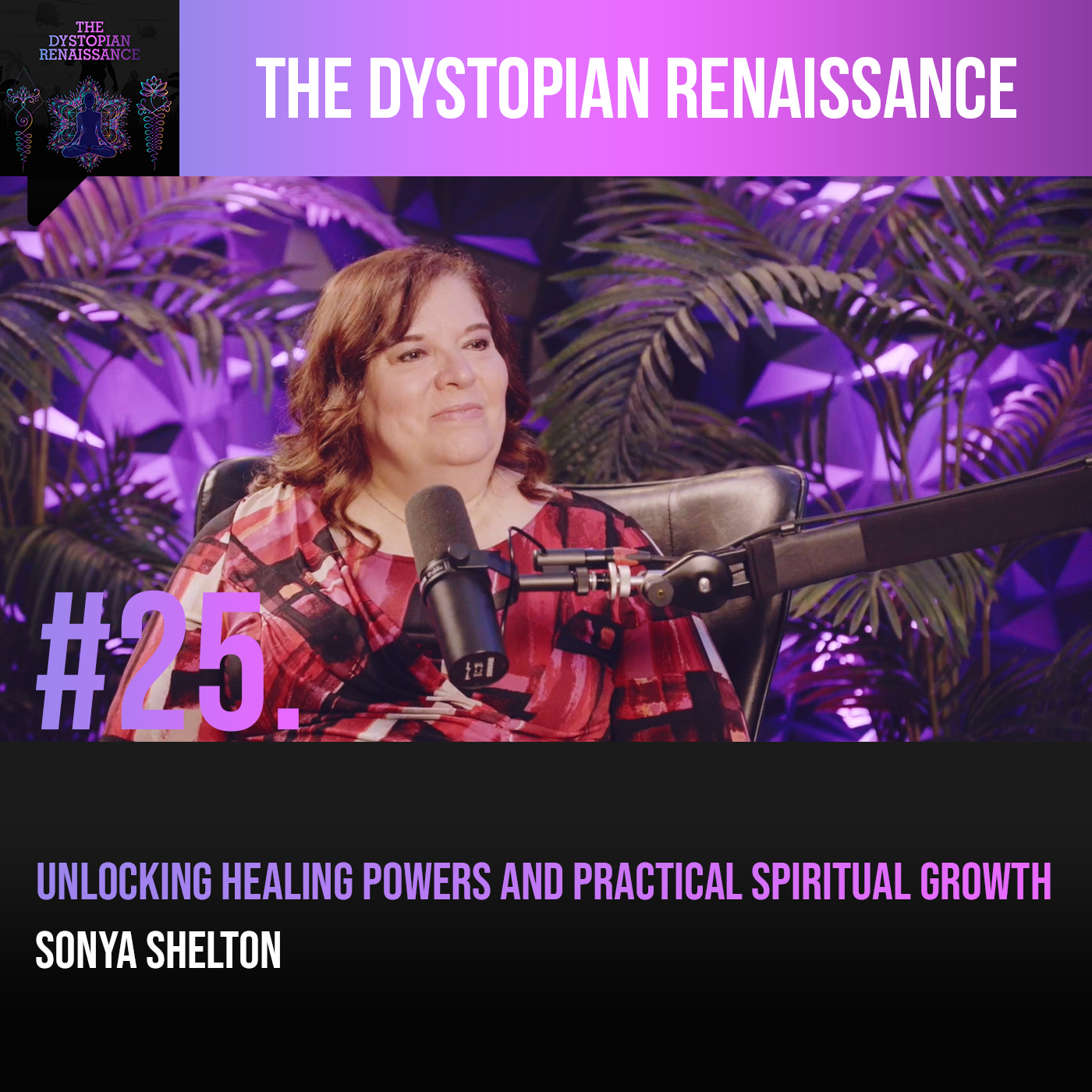
One insight that stayed with me from my conversation with Sonya Shelton was her way of describing spiritual practice. She said she approaches it like a toolbox. I look at it like a toolbox, she explained, where different tools serve different moments in life. Sometimes the tool might be meditation; sometimes energy work. Sometimes reflection or study. That simple image explains why people often explore multiple traditions instead of following a single rigid system.
Many seekers believe the goal is to discover one perfect path and commit to it forever. The deeper lesson reveals something more flexible. Growth often comes from learning how to choose the right tool for the moment.
Three ideas make that approach practical:
- Different traditions can complement each other rather than compete
- Difficult experiences often push people deeper into self-awareness
- Balance between spiritual insight and everyday life keeps the journey grounded
These ideas echo several patterns I noticed throughout the conversation. Natural healing instincts appear in some people even before training. Structured practices such as Reiki can strengthen and focus that energy. Philosophical traditions like Kabbalah help sort the mind and uncover subconscious patterns that quietly drain our attention and vitality.
Another anchor in this journey is presence. Enlightenment is about being fully present and just being in this moment, Sonya said during our discussion. That perspective reframes spirituality from an escape into something far more practical. Instead of leaving the world behind, the goal becomes experiencing life more clearly.
The path rarely follows a straight line. Curiosity leads to exploration. Exploration leads to practice. Practice reveals deeper questions. Somewhere along the way, the search shifts from finding answers to discovering how to trust your own intuition.
What begins as curiosity gradually becomes something more powerful: a lifelong relationship with awareness, growth, and meaning.
Early Signs of Healing Energy and Spiritual Curiosity
I often notice that a spiritual journey does not begin with study or discipline. It begins with something quieter. A small instinct. A moment that feels strangely natural before anyone explains what it means.
Sonya Shelton described one of those moments from her childhood. She later learned that when someone nearby complained about pain, she would instinctively offer help. As she put it, “let me put my hands on you.” No training. No explanation. Just a natural impulse to comfort someone.
When I hear stories like that, I wonder how many similar moments people overlook in their own lives. How many early signals do we dismiss because they seem too simple or too ordinary?
Sonya’s upbringing encouraged exploration rather than strict answers. Her parents introduced her to different churches and spiritual traditions while she was growing up. Instead of insisting on one belief system, they treated spirituality as something worth investigating. That environment created curiosity rather than certainty.
Curiosity matters more than certainty in the beginning. It opens the door to discovery.
As Sonya reflected on her path later in life, she realized something important. Natural sensitivity can appear long before formal study. She explained that energy work felt familiar once she encountered Reiki training because those instincts had always been there. “Training helps you focus and direct the healing energy,” she said when describing what formal learning eventually added.
That statement carries a realization many people miss.
Insight: Natural sensitivity often appears before structure, while training gives that instinct direction.
The early stage of a spiritual path often includes a few recognizable signs:
- curiosity about different traditions
- intuitive moments that feel strangely familiar
- a desire to help or comfort others
None of those signs prove someone is destined to become a healer or teacher. Still, they often appear in the background before someone consciously chooses a path.
Another question naturally follows. What happens when curiosity grows stronger over time?
For Sonya, early instincts did not immediately lead to a defined path. Instead, they became part of a long period of exploration. As she entered adulthood, she began examining different spiritual traditions on her own. That search would eventually lead her toward Zen practice, energy healing, and metaphysical study.
Looking back, those childhood moments feel less accidental. They resemble the first quiet signals of a much larger journey. Curiosity begins with a small instinct, and that instinct gradually invites deeper exploration.
What if the earliest signs of spiritual curiosity are already present in more people than we realize?
Finding Direction Through Zen and Personal Exploration
I often notice that many spiritual journeys include a long period of searching. People explore traditions, philosophies, and practices without immediately finding something that truly resonates. That stage can feel confusing. It can also be necessary.
Sonya Shelton experienced that phase in her early adulthood. After growing up around different religious traditions, she stepped away from formal religion altogether. She described that period simply. “I decided that I was a spiritual person without a religion.” That mindset allowed her to explore freely rather than feeling obligated to follow a single doctrine.
Still, exploration eventually reaches a turning point. Curiosity begins asking deeper questions. Where does this path actually lead? Which practice feels authentic rather than theoretical?
Sonya eventually discovered Zen Buddhism during that search. Her description of that moment was brief but powerful. “It felt like home.” That phrase explains something many seekers recognize. When the right practice appears, the feeling often arrives before the explanation.
The path she followed unfolded gradually:
- Step away from inherited religious structures
- Explore different spiritual traditions independently
- Recognize the limits of exploring alone
- Discover a practice that resonates deeply
- Commit to learning and practicing regularly
The order matters because each stage builds on the previous one. Without curiosity, exploration never begins. Without exploration, the right tradition might never appear.
Her journey did not stop with Zen practice. Another unexpected step arrived through a reading with an intuitive guide. During that conversation, Sonya received a suggestion she had never considered. “You need to join a mystery school.” At first she resisted the idea. Zen practice already felt meaningful, and the phrase mystery school sounded unfamiliar.
She later described how the introduction unfolded. She contacted someone connected to the training and asked a straightforward question. How do you even begin something like this?
The answer surprised her. The entry point involved something called a DNA activation. The purpose, she explained, was to reconnect someone to intuition and spiritual awareness. Describing its effect is difficult because the results differ for each person. “Wherever in your life you need more connection to your intuition, that’s where it’s going to go.”
I find that detail fascinating because it reveals how spiritual growth rarely follows a predictable script. One discovery leads to another. Curiosity opens the door, then intuition nudges the next step forward.
How many people abandon the search too early because they expect a perfectly linear path? Sometimes direction appears only after wandering for a while.
Learning to Direct Energy Through Reiki and Training
I asked Sonya Shelton what changed when she first encountered Reiki. Many people describe energy work as mystical or complicated. Her answer was simpler than expected.
A friend of hers happened to be a Reiki Master and invited her to take a class. She had never even heard of Reiki before that moment. Still, curiosity pushed her to say yes. During the training she noticed something familiar. The sensation of energy moving through her hands did not feel foreign. It felt recognizable, almost like something she had experienced before without understanding it. “Training helps you focus and direct the healing energy,” she explained later when describing the experience.
The class itself was not about instantly transforming into a healer. It was about structure. It provided a way to focus attention, channel energy intentionally, and understand what had once been instinctive. Instead of randomly placing her hands on someone who felt unwell, she now understood how to guide that energy more deliberately.
That moment often marks a turning point in a spiritual development.
Natural ability becomes meaningful when intention and structure give it direction.
Sonya described how the energy did not remain confined to formal sessions. Once someone becomes attuned, the awareness flows into everyday interactions. A conversation might carry a different level of presence. A moment of listening might feel more intentional. The practice becomes less about performing healing and more about living with awareness.
A few simple shifts often happen during that transition:
- Instinct becomes intentional practice.
- Curiosity becomes disciplined exploration.
- Energy work becomes part of daily life.
- Helping others begins to feel natural rather than planned.
I find that progression fascinating because it challenges the idea that spiritual development requires dramatic transformation. Sometimes the real change is learning to recognize what already exists.
Another question naturally appears. What happens after someone learns to direct that energy?
For Sonya, Reiki training did not become the final destination. It became another tool in the larger spiritual toolbox she was gradually building. Zen practice, metaphysical study, and mystery school teachings would eventually expand that toolkit even further.
The path did not narrow after training. It opened wider.
How often do people assume they must master one practice completely before exploring another? Her experience suggests something different. Growth often happens when multiple traditions illuminate different parts of the same journey.
Teaching Others to Step into Their Own Power
I asked Sonya Shelton when she realized she had moved from student to teacher. The answer surprised me because it did not come from a strategic plan. In fact, she resisted the idea for a long time. She said that when she first entered mystery school training, she told herself she would never become a guide or teacher. The work felt personal. It helped her grow. That seemed like enough.
Then something shifted.
She began noticing how the practices were changing her life. Meditation deepened her awareness. Energy work sharpened her intuition. Philosophical study gave language to experiences she had struggled to explain. At some point she confronted a simple question: if these tools were helping her so much, why keep them to herself?
That moment became a turning point. As she explained it, “Why wouldn’t you share it if you’re benefiting from it?”
That question quietly redirected her path.
One truth became clear as she began teaching.
Helping someone grow requires humility.
Another truth followed quickly.
Working in someone’s energy is a privilege, not a performance.
A third realization appears over time.
Students will ask questions that push the teacher to grow.
Sonya described how teaching forced her to revisit fundamentals repeatedly. Students sometimes ask questions she had never considered before. Those moments can feel uncomfortable at first. Yet they often lead to deeper understanding for everyone involved.
Spiritual teaching is not about presenting perfect answers.
It is about creating space for discovery.
Imagine a student arriving with uncertainty about their path. They might wonder whether Reiki, meditation, or metaphysical study fits their life. Sonya often encourages people to start with direct experience rather than endless research. Intuition tends to guide the next step once someone begins practicing.
That approach raises an important question.
How do you know if a teacher or spiritual path is right for you?
Sonya believes the answer appears through a sense of empowerment. A genuine guide helps people reconnect with their own intuition rather than making them dependent on outside authority. When someone leaves a class feeling stronger, clearer, and more capable of navigating their life, the teaching has done its job.
The Search for More Love in Everyday Life
I keep thinking about the image that started this journey. A small child instinctively offering comfort by placing her hands on someone who was hurting. No training. No spiritual vocabulary. Just an impulse to help.
That moment captures something essential about the path Sonya Shelton eventually followed. Spiritual exploration did not begin with a doctrine or a perfectly organized plan. It began with curiosity, instinct, and the willingness to explore what felt meaningful.
As her journey unfolded, different traditions added depth to that instinct. Reiki helped focus healing energy. Zen emphasized presence and awareness. Kabbalah offered tools to “sort your mind” and recognize patterns that quietly shape everyday decisions. Sacred geometry revealed structure and beauty beneath the surface of nature.
Later, teaching brought another layer of insight. Sonya discovered that guiding others meant constantly returning to fundamentals and honoring the responsibility of working in someone’s energy. Helping someone grow was not about demonstrating authority. It was about creating space where people could rediscover their own intuition.
“If you remember one thing, remember this:”
Spiritual growth is less about finding a single perfect path and more about learning how to use the tools that help you become more present, more aware, and more connected to your own power.
That realization helps reframe the entire journey. The practices themselves matter, but the deeper purpose remains the same. Each tradition, meditation, or healing method becomes a doorway to something universal.
More clarity.
More presence.
More love.
A practical way to begin is surprisingly simple. Set aside ten quiet minutes today and observe your thoughts without trying to change them. Notice what drains your attention and what restores it. That small act of awareness can reveal patterns that shape much larger parts of your life.
Over time, curiosity grows into practice, practice grows into understanding, and understanding deepens into something even more meaningful. What began as a quiet instinct slowly becomes a lifelong relationship with awareness and growth.
About Sonya Shelton: Spiritual Guide, Energy Healer, and Teacher
Sonya Shelton is a spiritual guide, teacher, and energy practitioner who helps people reconnect with their intuition and personal power. Through a blend of metaphysical study, Zen practice, Reiki healing, and mystery school teachings, she guides students toward practical spiritual awareness that can be applied in everyday life. Her work emphasizes balance between spiritual insight and real-world experience, encouraging individuals to explore multiple traditions while discovering what resonates with their own path.
Sonya’s teaching style focuses on empowerment, helping people develop the tools to navigate their own growth rather than relying on rigid belief systems. She offers healing sessions, classes, and spiritual guidance through the Center of the Seven Rays.
- Spiritual guide at the Center of the Seven Rays
- Reiki Master trained in multiple lineages
- Zen practitioner and meditation teacher
- Instructor in metaphysical and mystery school traditions